Cruisin' to Collections 2026
Student Financial Services Conference


Click on the Presentations below to download the individual Presentation Slide Decks




Conference Agenda
SUNDAY, Oct 4
6:30-8:00
Welcome Reception
Your conference begins at this lavish reception. Dress Comfortably or to the Nines. Unwind, relax and network with fellow colleagues. Join us at the Liberty Loft for unlimited drinks, tasty hors d’oeuvres and live entertainment. Your guest is welcome at this event.
Liberty Loft
MONDAY, Oct 5
7:00-8:00
Breakfast
Seasonal Cut Fresh Fruit, Assorted Seasonal Baked Goods, Steel Cut Irish Oatmeal, “New York Scramble” with Chives, Mushroom Medley and Diced Tomatoes, Cinnamon Swirl French Toast with Whipped Cream and Warm Maple Syrup, Hickory Smoked Bacon and Grilled Sausage Links, Home Fried Potatoes, Freshly Brewed Coffee, Decaffeinated Coffee, Hot Tea, Freshly Squeezed Orange and Cranberry Juice
8:00-8:10
Opening Remarks
8:10-9:00
Landscape Changes in Debt Management
With transcript withholding, regulations hindering collections, gap funding deficits and higher payment requirements in Federal student loans, how can we be good stewards of the purse yet keep them enrolled?
Let’s Discuss a 21st Century Roadmap
Position Changes: Settlements, Credit Reports, Co-makers and Litigation
Obligation Literacy: Effective Communication, Visibility, Student Access and Red Flags
Faculty Led Interactive Discussion
9:00-10:00
Attorney Update
June Coleman is a defense litigator and compliance specialist with more than 20 years of experience. Her areas of emphasis include defense of consumer rights actions involving California’s Rosenthal FDCPA, FDCPA, TCPA, and FCRA. She has a deep understanding of permissible debt collection conduct and how best to defend claims and minimize liability in the collection industry, including creditor, student loan and other college debt collections.
- Compliance Trends
- Fair Credit Reporting Issues
- Collection Practices Do’s and Don’ts
- Questions and Answers
June Coleman
Attorney at Law, Messer, Strickler, Burnette LLP
10:00-10:15
Refreshment Break
10:15-11:15
Mastering Change – How to Keep Your Bearing While Navigating the Turbulent Waters of Transformation
Change is not something that simply happens to us – it is something we navigate with intention and purpose. In higher education and across our universities, change has become a constant reality, reinforcing the understanding that adaptability is essential to our continued growth and success.
During this session, we will explore practical tools and resources while engaging in meaningful discussion on how to guide our teams forward in a cohesive, collaborative, and intentional way when navigating change in the workplace.
Discussion Points:
- Mindset matters
- Psychological Safety
- Psychology of Change
- Change Strategies for Individual Contributors
- Change Strategies for Leadership
- Practical change tools
- Change pitfalls
- Reframing change
Erika Ramirez, MSLM, MBA
Director, Bursar of Student Accounts, Western Governors University
11:15-12:15
Cybersecurity in the Age of AI: How to Spot the Scams Before They Spot You
Cybercriminals are constantly evolving their tactics, and artificial intelligence has made their attacks more convincing, scalable, and difficult to detect. Today’s scammers can generate realistic emails, clone voices, create fake videos, impersonate trusted individuals, and automate attacks that target both organizations and individuals. In many cases, a single moment of trust can be enough to compromise sensitive information.
While technology plays an important role in protecting organizations, people remain the most important line of defense. Understanding how modern cybercriminals operate and how they exploit human behavior is essential to staying safe in today’s digital world.
This engaging and non-technical cybersecurity awareness session will explore the latest threats, real-world attack techniques, and practical strategies that anyone can use to recognize and avoid cyber scams. Attendees will leave with a better understanding of how to protect themselves, their families, and their organizations from the most common threats facing us today.
Whether at work, at home, or on the go, cybersecurity is everyone’s responsibility. Learn how to spot today’s scams before they become tomorrow’s security incident.
Vito Rocco
12:15-1:15
Lunch
Starters – Antipasto platter, aged balsamic vinegar, Roma tomato & mozzarella, Caesar salad with fresh parmesan and garlic croutons
Entrees – Chicken scallopini with lemon beurre blanc sauce, wilted spinach and pear tomatoes, meatballs and rigatoni with marinara sauce
Sides – Penne pasta primavera with cream sauce and spring vegetables
Desserts – Tiramisu, Ricotta cannoli, Chocolate panna cotta
1:15-3:45
Financial Literacy for YOUR Campus – A 4-Segment 2.5-hour How-To Workshop
Session A – Financial Literacy Awareness – One Program May Not Fit All
In this session discover why financial literacy is a necessity and which financial literacy programs may be most effective for your school and students.
Topics of Discussion:
- Definitions
- Research and Statistics
- Contributing Factors to a lack of Financial Literacy
- Why is it necessary? What impact does it make by having it or not having it?
For Students
For Schools - One size does not fit all
What do different budget programs look like
What are common sources of funding
Typical program delivery methods
Department led and campus-wide involvement
Financial Literacy programming for students at different levels
Session B – Achieving Change on Campus
Faced with resistant departments and oblivious students, how do we raise interest, awareness and enthusiasm so your campus can embrace financial wellness? We’ll discuss the keys to achieving this goal. To do this we’ll examine a variation of David Gleicher’s change formula:
Change (C) will occur when sufficient Dissatisfaction (D) with the current system exists, when everyone has a clear Vision (V) of the goals for the future, and when it is clear what Actions (A) can be taken to move the system in the direction of the vision. All of these elements must be in place and larger than the Resistance to change (R) present in the organization.
Session C – A Syllabus of Program Materials and Delivery Methods
What do we present and who do we present it to? We will take a deep dive, and you will take home tangible program information to adapt to your own financial literacy program.
We’ll sort through and discuss programming such as:
- Money Management: Budgeting, setting savings goals, and cash flow analysis.
- Banking & Credit: Understanding checking/savings accounts, credit scores, and credit reports.
- Borrowing & Debt: Managing student loans, personal loans, and payday loans.
- Investing & Risk: Basics of investing for wealth, insurance, and fraud prevention.
We’ll also discuss successful delivery including:
- Appropriate learning materials by participant stages and readiness
- A digestible cadence of course consumption
- Differing platforms and delivery venues to meet students where they are
- Feedback solicitation for maximum program success
Session D – Getting your Financial Wellness Plan Moving
Getting your plan put together, obtaining cross-department partnership and upper management buy-in may be the hardest pieces of the puzzle but in this segment, ‘Getting Your Plan Moving,’ you’ll leave with a toolkit that will provide you with the guidance you’ll need to put all of the pieces together to start or improve your school’s literacy program. During this session we’ll discuss the components of your toolkit and show you how to use them effectively.
Your toolkit will include:
- An overview of effective program traits for discussion
- Financial literacy topics to select from
- Communications templates for: *Upper management buy-in *Department outreach * Responding to the “NO’s” * Outside vendors who are already providing services to your campus
- A list of effective student outreach techniques
- The Resource Vault: Workshops, Webinars, Games, Videos and Academic Programs
Jodi Cataline
Clinical Professor, Academic Director, Center for Financial Literacy, LeBow College of Business, Drexel University
Scott Holmquist
President, Second Alliance, Inc., Chairman, Student Financial Services Higher Education Academy
3:45-4:00
Refreshment Break
4:00-5:00
One-Stop Shop for Students and Employees
This panel of experts, along with the participants, will discuss models that schools have adopted on their college campus. We will discuss various one-stop offices and the opportunities with different platforms. Important topics include the development of an action plan. Items included in the plan should include campus culture, structure of the office(s) and training of staff. As college affordability continues to become very challenging for students and families, one-stop allows redistribution of staff in Student Financial Services to service our customers. The panelists will discuss their stories on this subject matter!
Faculty Led Interactive Discussion
TUESDAY, Oct 6
7:00-8:00
Breakfast
Assorted Seasonal Baked Goods with Fruit Preserves, Seasonal Fresh Cut Fruit, Steel cut Irish oatmeal, Biscuits & Gravy, Ham, Eggs and Cheese Scrambled, Home Fried Potatoes, Hickory Smoked Bacon and Grilled Sausage Links, Freshly Brewed Coffee, Decaffeinated Coffee, Hot Tea, Freshly Squeezed Orange and Cranberry Juice
8:00-9:00
Compassionate Collections for Student Account Accounts
A Discussion on the Intersection of Institutional Priorities and the Balance of Recovery, Retention & Trust
We will discuss the Four Pillars of Compassionate Collections
- Empathy-First Communication
- Timing & Segmentation
- Flexible Resolutions
- Staff Culture & Compliance
Erika Ramirez, MSLM, MBA
Director, Bursar of Student Accounts, Western Governors University
9:00-10:00
Dealing With and Preventing Fraud
Behind every enrollment number is a story ……. but not all of them are real. Schools are experiencing an influx of scammers, fraudulent, and “ghost” students. Join our Fraud Squad session to discuss emerging trends, share real cases, and ways to detect, prevent, and respond to fraud before it impacts your campus. Don’t miss this chance to strengthen your defenses and stay one step ahead.
Laurie Beets
Bursar/Director of Student Loans & Debt Management at Oklahoma State University
Tim Lehmann
Vice President Student Financial Services at Southern New Hampshire University
10:00-10:15
Refreshment Break
10:15-11:15
Being the Bursar – Reports and Audits
Reports and audits are essential functions within Student Financial Services, providing a clear, objective view of the reports managed and completed by Student Account Services. This interactive session will explore the various types of reports required from Student Account Services and how they inform decision-making, compliance, and accountability. Participants will gain insight into key report components and how these elements reflect the overall health of student financial operations. Through discussion and shared experiences, attendees will better understand how to leverage reporting to strengthen processes, support leadership, and prepare audits with confidence.
Scott Salzman
Director of Financial Services and Account Receivable, Texas Christian University
11:15-12:15
Impact of Federal Financial Aid Changes and the Impact on Higher Education
Students and parents can no longer rely on federal funding to cover the full cost of attendance. New federal loan limits will force families to consider other affordability options. We will discuss changes to federal loan programs. Financial aid funding continues to be a challenge for schools and students, come and learn options on how we can overcome these challenges!
Joe Weglarz
Executive Director of Student Financial Services, Marist University
12:15-1:15
Lunch
Starters – Tortilla Chips – mesquite roasted tomato and tomatillo salsas, Smoked Chicken, Black Bean and
Corn Salad, Caesar Salad – masa croutons
Entrees – Chicken Enchiladas – red chili sauce, Monterey Jack cheese and serrano-cilantro crème, Roasted Flat Steak – with chimichurri sauce, Tequila Baked Tilapia – with shrimp diablo sauce, Cilantro Rice, Black Beans
Desserts – Mini Cinnamon Churros, Margarita Crème Brûlée
1:15-2:15
VA and Military Services – Epic Steps to Veteran Victory on your Campus
The purpose of this session will be to discuss the obstacles and solutions in serving our student veterans and the proven steps in becoming the “go-to leader” for building and championing collaborative veteran services and resource partners in your community, influencing your campus, cultivating state government support and establishing win-win relationships to promote needed change.
Ross D. Bryant
Director, Military and Veteran Services Center, University of Nevada, Las Vegas
2:15-3:15
Being the Bursar – Implementation Best Practices
Implementation is the true test of leadership, requiring thoughtful planning, clear communication, and disciplined execution. In this panel discussion, we will explore best practices across a variety of implementation scenarios commonly faced in student financial services and higher education. Session leaders will share practical insights on forecasting, stakeholder alignment, risk mitigation, and sustaining momentum through change. Attendees will gain actionable strategies and peer perspectives to support successful outcomes across multiple types of initiatives.
Scott Salzman
Director of Financial Services and Account Receivable, Texas Christian University
3:15-3:30
Refreshment Break
3:30-4:15
Student Employment
Student Employment is a vital component for the campus community. This session will cover the major components of the management of a Student Employment Office. Topics will include eligibility for CWS, awarding funds, and the marketing of jobs. Student Employment is always a hot topic for our student and families, and the session will cover best practices for a successful program.
Joe Weglarz
Executive Director of Student Financial Services, Marist University
4:15-5:00
Financial Responsibility Agreements
A financial responsibility agreement is a contract where one party acknowledges their financial responsibility to another. This type of contract is commonly used when a student enters a new university. When used in this scenario, students sign to acknowledge that they understand that they are solely responsible for paying the university any school-related charges, which can include class fees, tuition, and food.
The purpose of the financial responsibility agreement is to ensure that the signor understands and acknowledges their duty to pay. This ensures that if payments aren’t received as promised, the entity that’s entitled to the money can pursue action to recover it.
We will review Terms and Conditions and explore financial responsibility agreements to support your collections efforts. We will look at the current collection climate regarding agreements and how agreements can give your collectors and agencies better position to show you the money!
Faculty Led Interactive Discussion
6:30-8:00 – Mystere by Cirque du Soleil at Treasure Island Hotel
Charter Transportation Departs New York New York Main Entrance at 5:45pm
Mystère is the original, must see Cirque du Soleil® show that combines powerful athleticism, high-energy acrobatics and inspiring imagery that has become the company’s hallmark.
Deemed a theatrical “flower in the desert,” Mystère thrills generations of audiences with its exhilarating blend of whimsy, drama and the unimaginable brought to life on stage.
Presented exclusively at Treasure Island, Mystère provides the ultimate discovery that life itself is a mystery.
Honored eight times as “Best Production Show” by the Las Vegas Review-Journal, Mystère has an international cast of over 65 performers featuring dancers, singers, musicians and champion-caliber acrobats.
WEDNESDAY, Oct 7
7:00-8:00
Breakfast
Seasonal Fresh Cut Fruit, Assorted Seasonal Baked Goods with Fruit Preserves, Assortment of Cold Cereals, Scrambled Eggs, Home Fried Potatoes, Hickory Smoked Bacon and Grilled Sausage Links, Freshly Brewed Coffee, Decaffeinated Coffee, Hot Tea, Freshly Squeezed Orange and Cranberry Juice
8:00-9:00
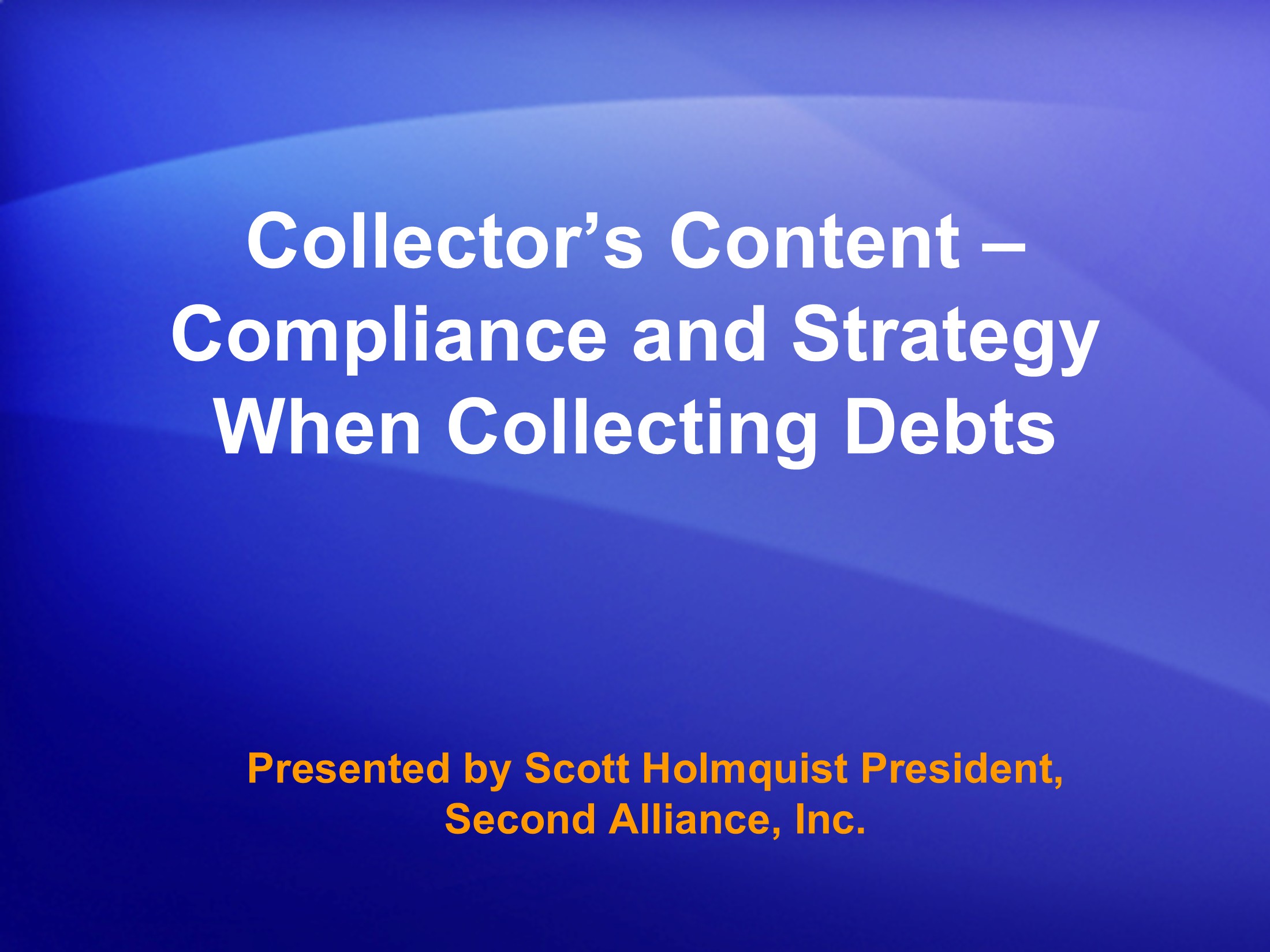
Collector’s Content – Compliance and Strategy When Collecting Debts
In this session we will discuss:
- Collections Strategies for Collecting Tuition, Medical/Rental Debt and Loans
- The Fair Debt Collection Practices Act and other Consumer Protection Laws
- Call Baiting and Litigious Debtors
- Statute of limitations – Time barred accounts
- Attorneys and Third Parties
- Objections, Disputes and Resolutions
Scott Holmquist
President, Second Alliance, Inc., Chairman, Student Financial Services Higher Education Academy
9:00-10:00
Choose Your Attitude: The Power of a Positive Mental Attitude
In a world filled with challenges, difficult conversations, and constant change, your attitude can be one of your greatest assets. This session explores the powerful impact a Positive Mental Attitude (PMA) has on personal success, resilience, and overall well-being. Participants will learn how everyday experiences shape their mindset, discover strategies for reframing challenges, and gain practical tools to overcome negativity and stress. Whether you’re navigating workplace pressures or personal obstacles, this session will help you intentionally choose an attitude that leads to greater fulfillment, stronger relationships, and lasting success.
Jana Kazmierczak, MBA
Manager, Student Accounts, Western Governors University
10:00-10:15
Refreshment Break
10:15-11:15
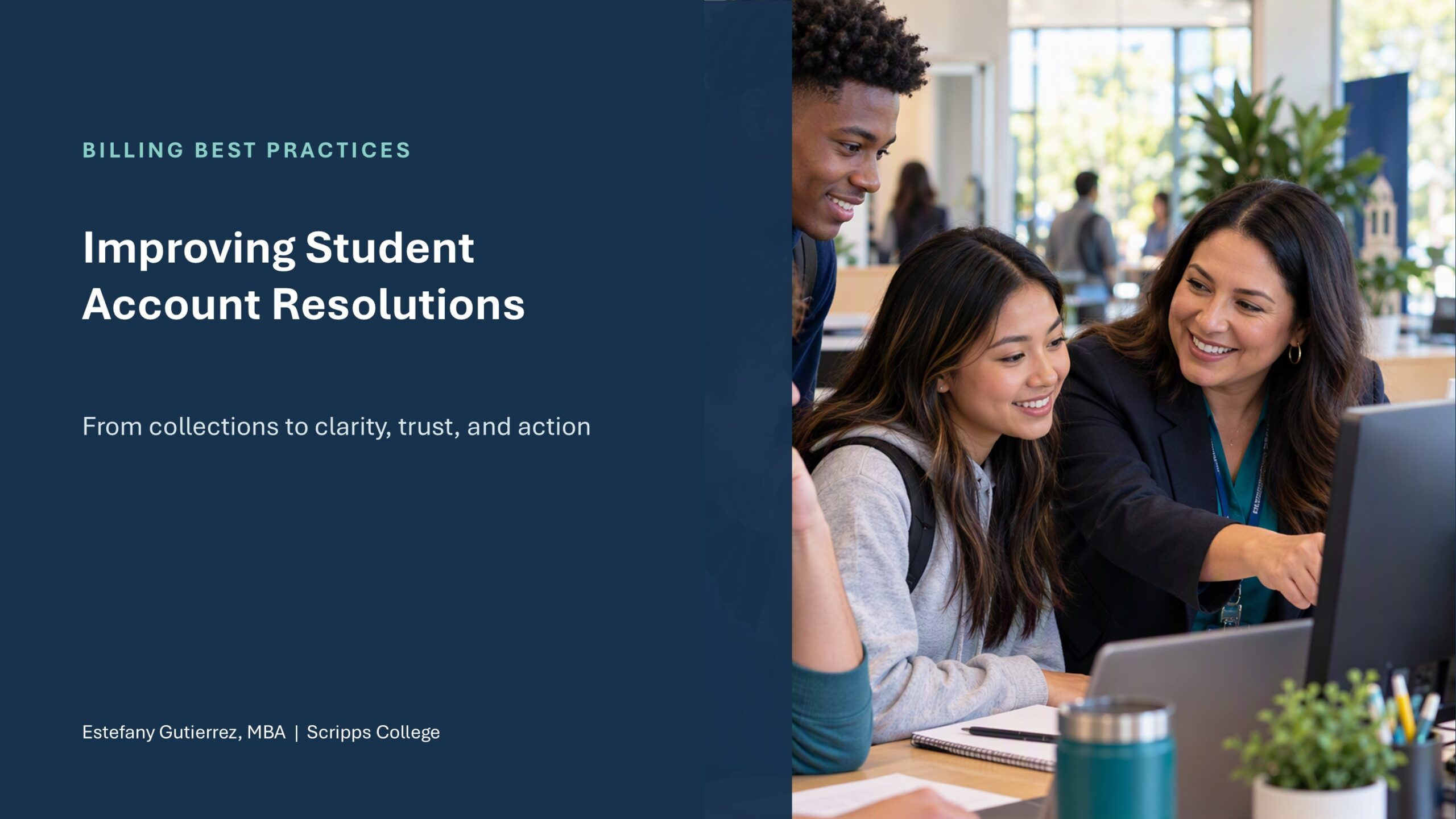
Billing Best Practices: Improving Student Account Resolution
Getting student bills paid has become more difficult as student expectations shift, regulations change, and more offices influence whether an account gets resolved on time. In California and beyond, changes such as AB 1313 have limited the use of traditional tools like transcript withholding, requiring student accounts offices to rethink how they move students toward resolution while maintaining compliance and a positive student experience.
This session explores practical billing best practices that support timely account resolution through clear communication and cross-office collaboration. Drawing on experience in student accounts operations at a private liberal arts institution, the presenter will share strategies for reducing delays, improving responsiveness, and resolving outstanding balances more effectively by working closely with Financial Aid, the Registrar, IT, Events, and other campus partners.
Attendees will leave with:
- Practical billing strategies they can apply on their own campuses
- Ideas for improving billing communication that reduce confusion, encourage payment, and build trust with students and families
- Approaches for strengthening cross-office collaboration to reduce delays, improve responsiveness, and support timely account resolution
- Adaptable strategies for achieving better billing outcomes when traditional collection methods are limited
Estefany Gutierrez
Student Accounts Manager, Scripps College
11:15-12:15
Closing conference discussion. We will discuss and answer questions as they relate to the conference material and other student financial services related questions. In addition, we will discuss a training agenda for 2027, trending topics and faculty opportunities.
Conference Faculty
Scott H. Holmquist
President, Second Alliance, Inc., Chairman, Student Financial Services Higher Education Academy
Scott Holmquist is the President and founder of Second Alliance and the Student Financial Services Higher Education Academy and has worked in the campus based collection industry for over thirty years. He has dedicated his career to building a company dedicated to the service of campus based clients working exclusively on Title IV loan programs, institutional and HPSL loan programs and tuition and fee recovery. Scott has worked in various phases of the campus based third party collection industry and has assembled a team that reflects his dedication to this industry.
Scott’s passion is teaching and training in areas of collections such as effective communication, customer service, financial literacy, policy and compliance and fatigue syndromes. He believes deeply that those involved in the collections industry need the highest level of training and understanding to best deal with, educate and lead students that rely on our assistance and expertise.
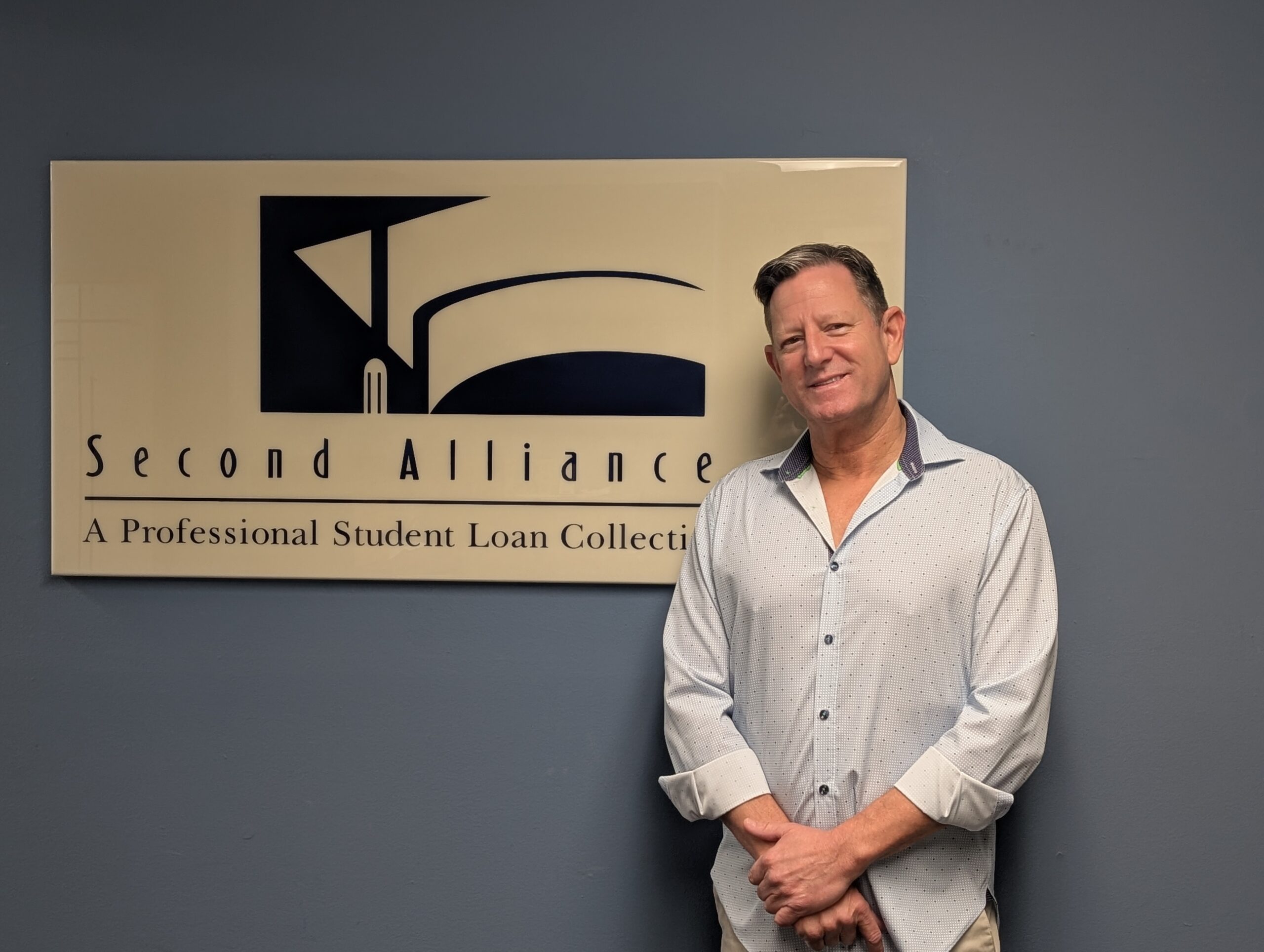
Mark Goodman
Associate Bursar, Manager of Credit and Collections
Temple University, Retired
Mark Goodman has been providing Higher Education Consulting services from his base in Las Vegas, Nevada since 2009 when he retired as the Associate Bursar for Temple University in Philadelphia, Pennsylvania. At Temple (a school of 36,000 students) he managed the Credit and Collections Department responsible for handling Perkins, Health Professions, and Institutional Loans, as well as the collection of tuition and fees. Other duties included the administration of the University’s tuition payment plan, overseeing the administration of the third party scholarship program, and debt management (both the entrance and exit phases). Prior to working at Temple, Mark had 28 years of collection management experience. He has spoken at conferences across the country on many topics relating to Credit and Collection, Customer Service, and Financial Management on the College Campus. He holds both the ACA Professional Collection Specialist and Certified Higher Education Collection Certifications.
Mark earned his Bachelor’s degree in Business Administration and Marketing at the College of New Jersey and his Master’s Degree in Human Resources Administration from Temple University. He has been a member of various Higher Education Associations, including EARMA, COHEAO, and NACUBO. In addition, he has authored articles published in business magazines, as well as training and seminar texts.
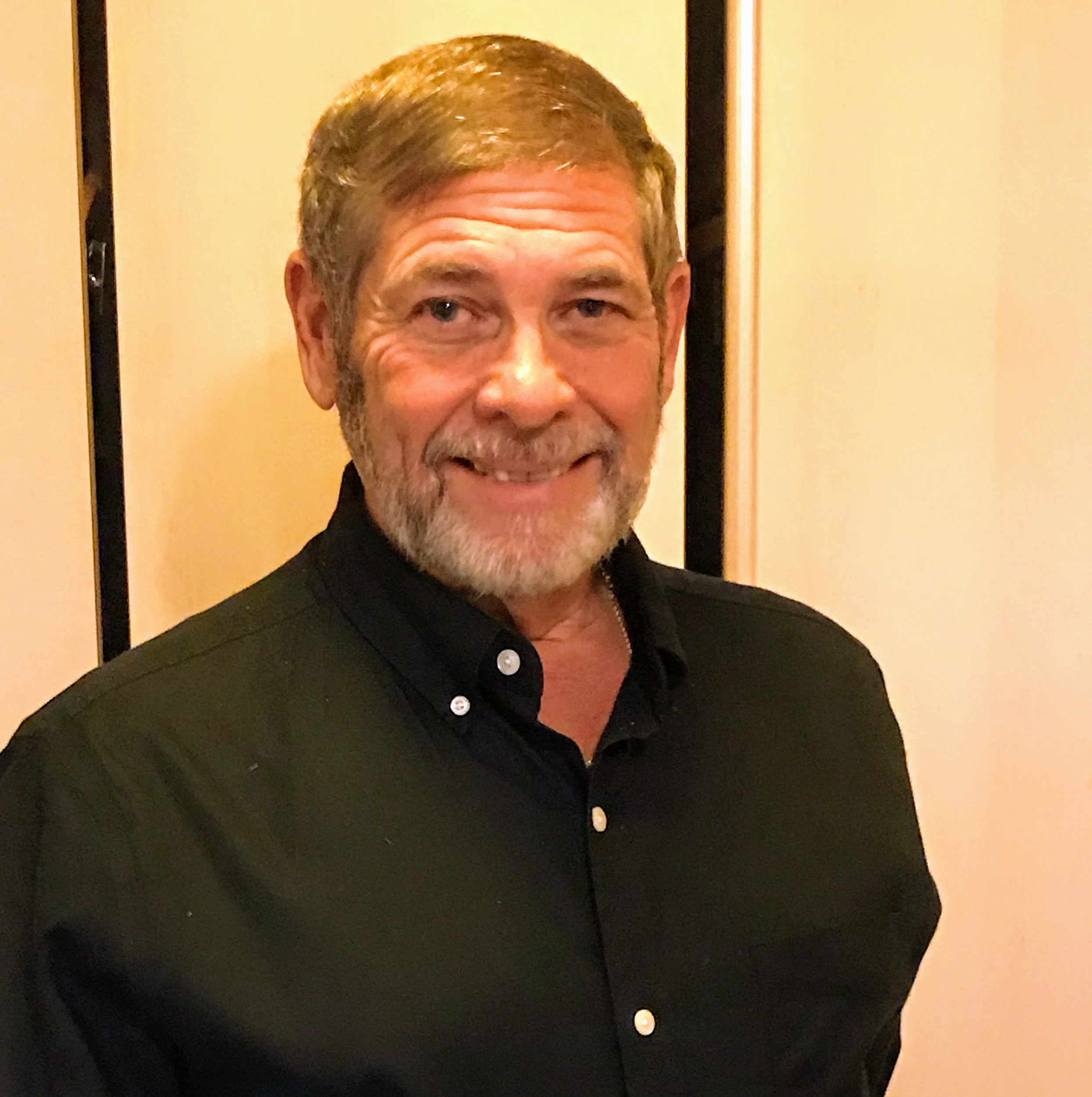
Patrick (Pat) Beirne
Senior Director; Bursar and Student Financial Services
Wayne State University
Patrick Beirne has worked in Student Accounts for 15 years across three university campuses, the last five as the Senior Director; Bursar & Student Financial Services at Wayne State University in Detroit, Michigan. Patrick is a student centric, retention focused leader, and is most proud of the collaborative partnerships made across campus that have paved the way to creatively recruit, retain, and graduate university students. Patrick is very driven by recovery metrics and fosters an organizational culture that strives to “retain every student” and “collect every dollar”. In addition to this retention and recovery focus, Patrick focuses on the consistent development of functional and technical expertise and strives to continuously improve in operationalizing and streamlining business processes.
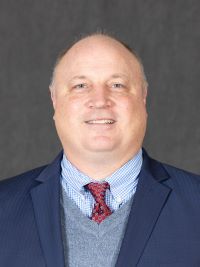
June Coleman
Attorney at Law
Messer Strickler Burnette, Ltd.
June manages the California office of a preeminent national litigation law firm that represents creditors and collection professionals in consumer actions across the nation. Ms. Coleman is a defense litigator with more than 20 years of experience. Her areas of emphasis include consumer rights actions involving statutes such as the FDCPA, TCPA, and FCRA, and their California counterparts, as well as call recording cases. She has a deep understanding of permissible debt collection conduct and how best to defend claims and minimize liability in the collection industry. She also defends collection attorneys before the California State Bar and assists clients with matters before the California DFPI, the California regulatory agency for debt collectors. She is an accomplished author and well-known presenter who speaks frequently. Since 2008, Ms. Coleman has been voted by her peers as one of the top 5% of lawyers practicing in Northern California, earning her a spot on the Northern California Super Lawyers list as well as the Sacramento Business Journal’s “Best of the Bar” and Sacramento Magazine’s “Top of the Bar” lists. Ms. Coleman is a Martindale Hubbell AV Preeminent rated attorney.
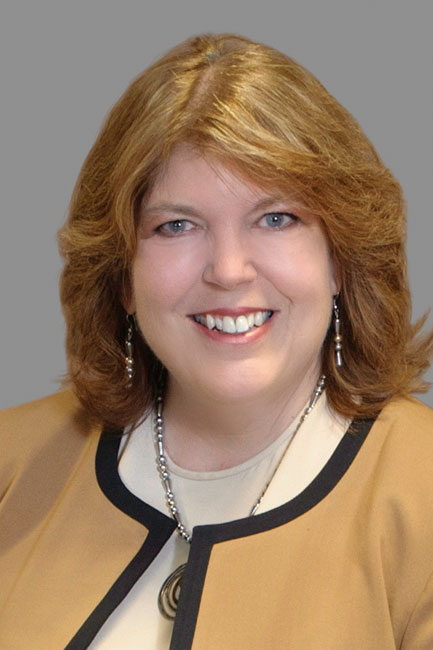
Erika Ramirez, MSLM, MBA
Director, Bursar of Student Accounts
Western Governors University
Erika Ramirez received her Bachelor’s in Business from Cal Poly, Pomona and Master’s from the University of La Verne. Her career started in Higher Education at Azusa Pacific University. Having oversight of the Student Account Department, eventually becoming the Director of Student Financial Services. Erika experienced centralizing departments/teams and operations while creating a high performing team. After 10 years at APU, she moved onto Los Angeles Pacific University assisting with the creation of a Student Account Department. Eventually centralizing departments/team and operations with the Financial Aid Department and stepping into the Director of Student Financial Services.

Joe Weglarz
Executive Director of Student Financial Services
Marist University
Joe Weglarz began his tenure at Marist College over 30 years ago as Director of Student Accounts. In 1999, he was appointed Director of Financial Aid, and was promoted to Executive Director of Student Financial Services in 2006.
As Executive Director, he implemented a “one stop shop” approach by combining student billing, financial aid, and student employment operations. As Executive Director, he manages these operations for the College.
In 2014, Joe was selected to participate in Negotiated Rulemaking and was engaged in negotiations on the proposed regulatory language for the Department of Education.
He serves on the COHEAO Board of Directors as treasurer. In addition, he served as the Vice President of Finance for the Northeast Association of Student Employment Administrators (NEASEA), and was appointed President in 2014. He also served on the NACUBO Student Financial Services Counsel. He currently serves on NYSFAAA Executive council as treasurer. He has presented at various national and regional conferences on regulatory issues, and student financial services topics; such as college affordability, financial aid and bursar operations
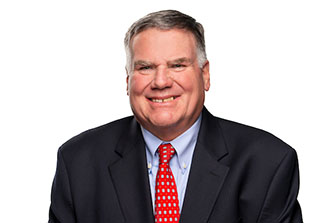
Laurie Beets
Bursar/Director of Student Loans & Debt Management
Oklahoma State University
Laurie has 32+ years of experience in higher education. She is a CPA and has a Master’s Degree in Educational Leadership Studies with a higher education emphasis. Laurie is also a Certified Fraud Examiner.
She has served as a member of the Board of Directors for the Coalition of Higher Education Assistance Organization (COHEAO). Laurie is a graduate of the SACUBO College of Business Management Institute and is a recipient of the OSU Staff Advisory Distinguished Service Award.
Prior to joining OSU in 1994, Laurie worked in the banking industry and with the Resolution Trust Corporation
Jessica Bates
Associate Bursar
Oklahoma State University
Jessica Bates serves as the Associate Bursar at Oklahoma State University, where she oversees debt management and student accounts receivable operations. She joined OSU in 2022 in the Office of Scholarships and Financial Aid before transitioning to the Office of the Bursar in 2023.
Jessica holds a Master of Business Administration from Oklahoma State University and brings extensive leadership, customer service, and operational management experience from both higher education and the private sector. She is passionate about enhancing business processes, improving the student financial experience, and developing innovative solutions that support student success while advancing institutional goals.
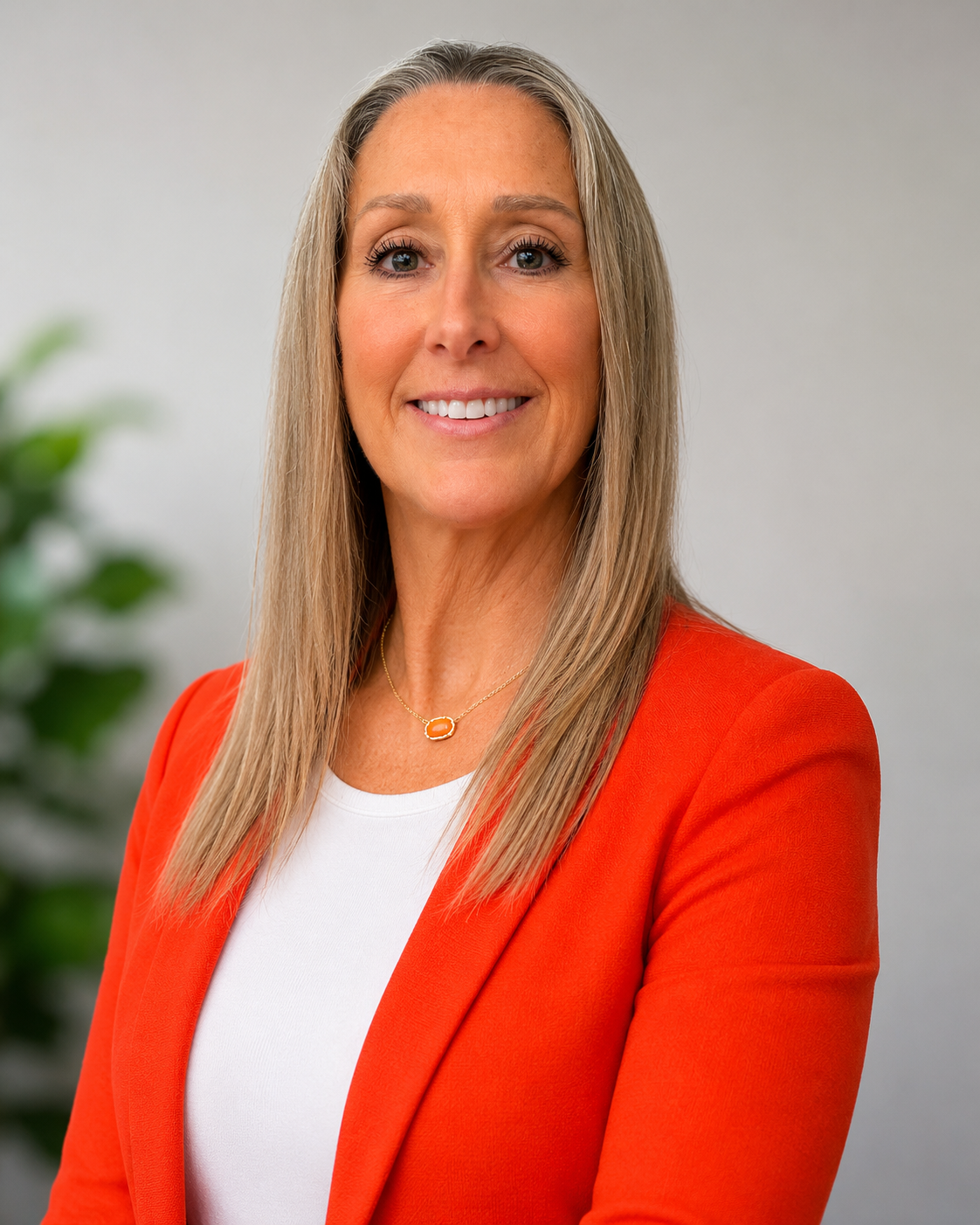
Scott Salzman
Director of Financial Services and Account Receivable
Texas Christian University
With more than 35 years of experience in student financial services, Scott Salzman is a highly respected higher education professional known for strengthening financial operations and advancing student-centered practices.
Scott currently serves as Director of Financial Services and Accounts Receivable, a role he has held for the past four years. In this position, he oversees student account operations, including billing, registration, collections, and strategic financial planning, ensuring efficiency, compliance, and a positive student experience.
He spent 20 years at the University of Dallas, where he built a distinguished career within Student Financial Services. During his tenure, Scott served as Bursar and worked in Treasury Services, eventually advancing into senior leadership roles as Executive Director of Student Financial Services and Bursar. In these positions, he played a key role in shaping institutional financial policies and modernizing student account management systems.
Scott’s leadership extends beyond campus boundaries. He has been actively involved with the National Association of College and University Business Officers (NACUBO), serving for five years on the Student Financial Services Council, where he provided guidance and shared best practices with peers nationwide. At the state level, he served as President of the Texas Higher Education Business Officers (THEBO) for three years and was instrumental in founding THEBO following the sunset of Texas BUCS.
A committed educator and mentor, Scott has served as a presenter for Bursar Fundamentals for three years, supporting professional development for both new and experienced bursars. His passion for education also extends into the classroom, where he has worked as an adjunct professor for over 20 years.
Throughout his career, Scott has been recognized for his student-centered approach to financial services—prioritizing accessibility, transparency, and efficiency while maintaining strict compliance with institutional and regulatory requirements. His depth of experience, collaborative leadership style, and long-standing contributions to the profession have made him a trusted resource and mentor within the higher education community.
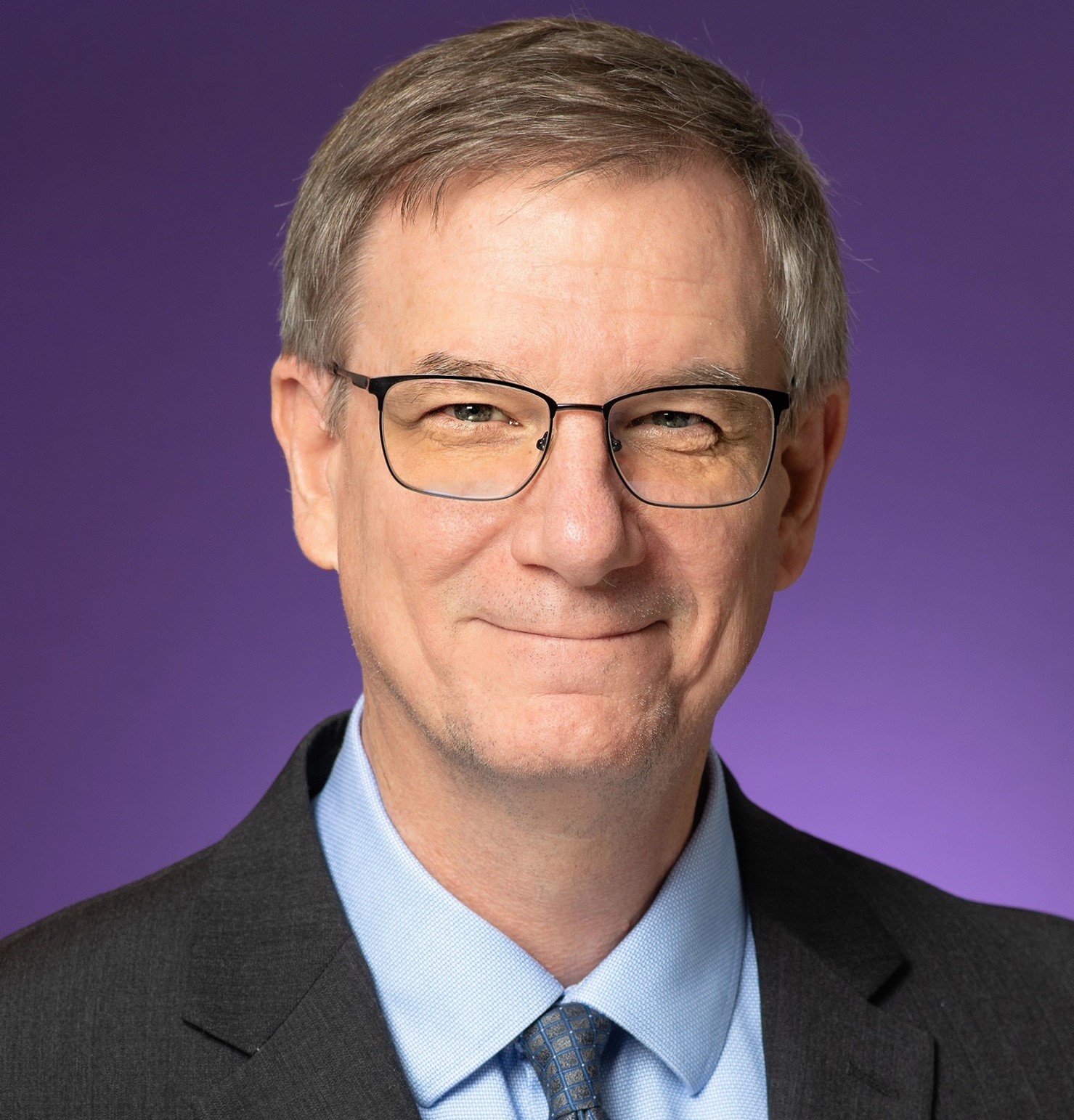
Jodi Cataline
Academic Director, Center for Financial Literacy
Clinical Professor, Department of Finance, LeBow College of Business
Drexel University
Jodi Cataline is a Clinical Professor in the LeBow College of Business at Drexel University and a faculty member in the Department of Finance. Her areas of expertise and research include personal finance, global engagement, and financial awareness.
More than two decades ago, Professor Cataline developed a Financial Literacy course that continues to be offered multiple times throughout the academic year as a finance elective available to all undergraduate students.
In addition to her teaching responsibilities, she collaborates with nonprofit organizations, including VestedIn, through its WesGold Scholars summer program for high school students. She also works with Liberty Scholars, a scholarship initiative that supports students from the Philadelphia community attending Drexel University. Beyond these programs, she provides financial literacy programming for student-athletes, transfer students, and adult learners.
Most recently, Professor Cataline was appointed Academic Director of the Center for Financial Literacy at Drexel University. In this role, she will lead expanded financial education initiatives designed to support the student community. The Center will emphasize peer-to-peer financial literacy education and engagement throughout the upcoming academic year.
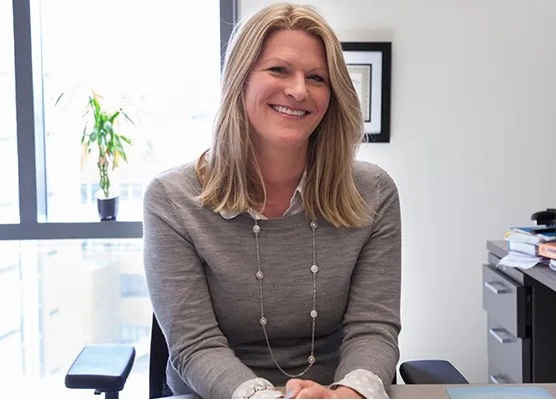
Tim Lehmann
Vice President Student Financial Services at Southern New Hampshire University
Tim leads financial aid, fraud mitigation, and compliance with a student-first lens. Known for translating complex regulations into clear operations, he has guided teams through major federal policy shifts and alternative financing models. Timothy’s recent work includes creating a strategic plan for financial aid fraud focused on developing a comprehensive, data-driven approach to address fraud throughout the SNHU student journey, that enables proactive prevention, targeted mitigation, and measurable results. He also was responsible for launching SNHU’s Basic Needs Emergency Fund and embedding it within the university’s wellness strategy using the Beam platform and an uplift model to target support where it improves persistence most. He has overseen Title IV transitions and closeouts (including Kenzie programs and ISA wind-down in partnership with General Counsel), built a data-driven credit management approach to improve third-party agency performance, and advanced QA automation using AI to reduce compliance risk and elevate service quality. A frequent conference speaker and subject-matter expert in higher-education financing, Timothy focuses on resilient processes, ethical use of analytics, and practical tactics colleges can adopt now to cushion students and staff from regulatory whiplash. Tim has been leading high performing financial aid teams since 1985 and has been at Southern New Hampshire University since 2013.
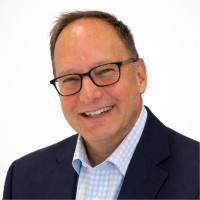
Estefany Gutierrez
Student Accounts Manager, Scripps College
Estefany has over eight years of experience in student financial services. Alongside her day-to-day operational work, she currently serves as the 5C Lead for Scripps College on the Student Information System (SIS) Executive Committee, representing the institution in cross‑campus and consortium‑wide discussions and decision‑making.
In her role, Estefany works closely with Financial Aid, Admissions, the Registrar, IT, and third‑party vendors to resolve billing issues, streamline workflows, and improve how students and families understand their accounts. She brings hands‑on experience with billing best practices, payment systems, tax reporting, and the coordination challenges that arise when multiple offices share responsibility for student financial data.
Her work is centered on billing best practices, proactive communication, and cross‑campus collaboration—helping make financial processes clearer for students and families while reducing operational strain for staff.
In 2026, Estefany presented on proactive billing communication strategies, sharing practical, real‑world approaches to reducing student and family confusion through clearer messaging, inclusive outreach, and better alignment across offices. Her presentations focus on realistic tools, scalable strategies, and lessons learned that institutions of any size can put into practice.
She is especially interested in cross‑department collaboration, process improvement, supporting students and families, and helping institutions balance policy enforcement with transparency, empathy, and service.
Outside of work, she enjoys traveling, staying active at the gym, and taking spin classes to recharge and stay energized.
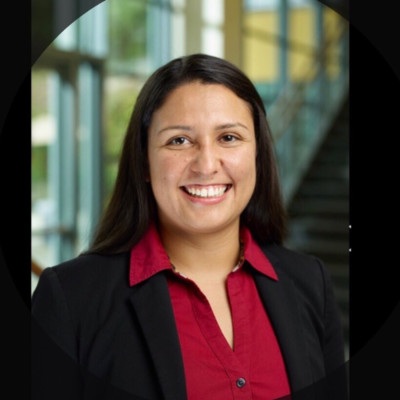
Jana Kazmierczak, MBA
Manager, Student Accounts, Western Governors University
Jana is a higher education leader with over 15 years of experience in operations, finance, leadership, and team development. As a Manager at Western Governors University, she leads multiple teams and is passionate about helping others build resilience, strengthen emotional intelligence, and develop a positive mindset. Jana holds an MBA and brings a practical, real-world approach to leadership, personal growth, and the power of Positive Mental Attitude.
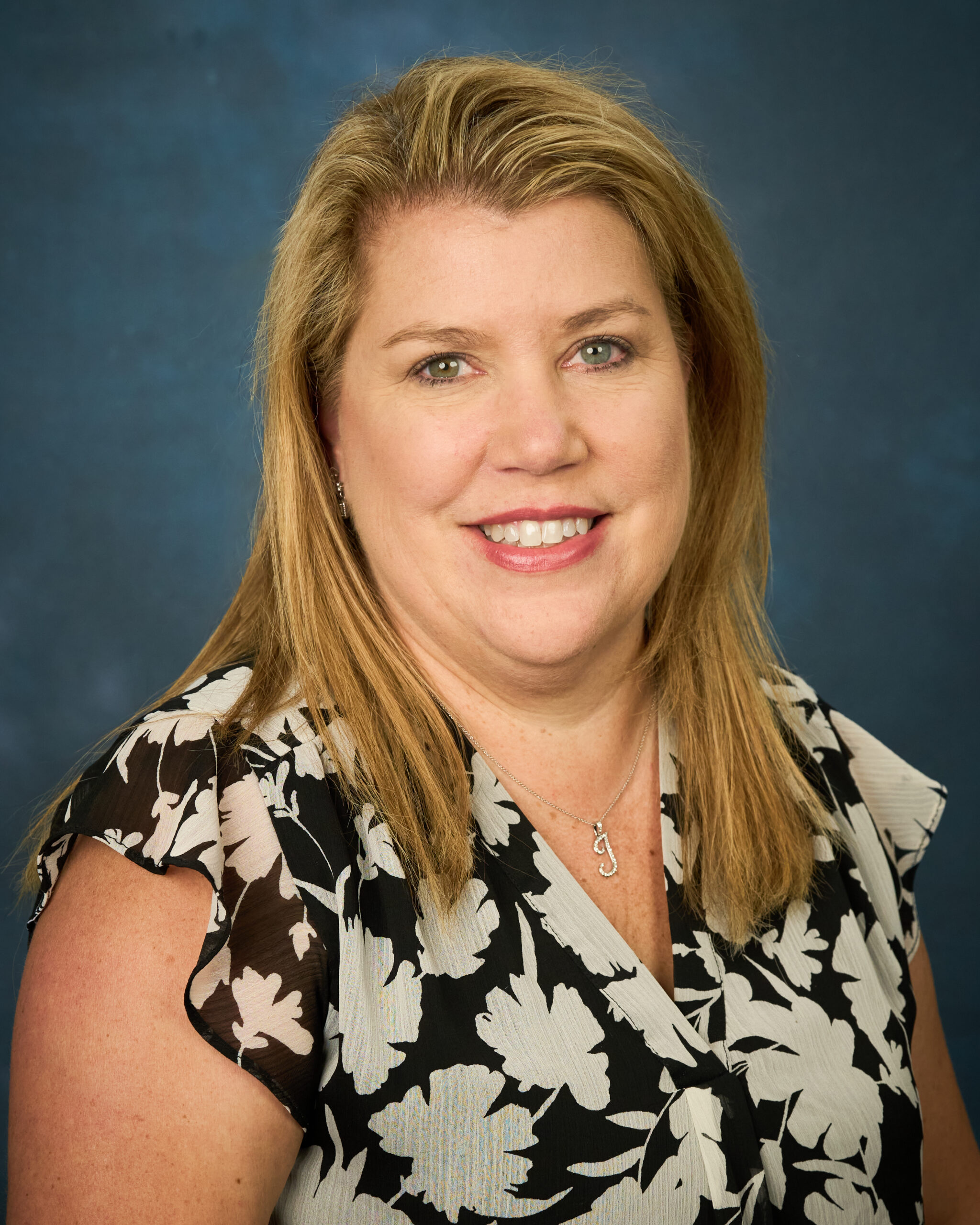
Ross D. Bryant
Major (Retired) U.S. Army
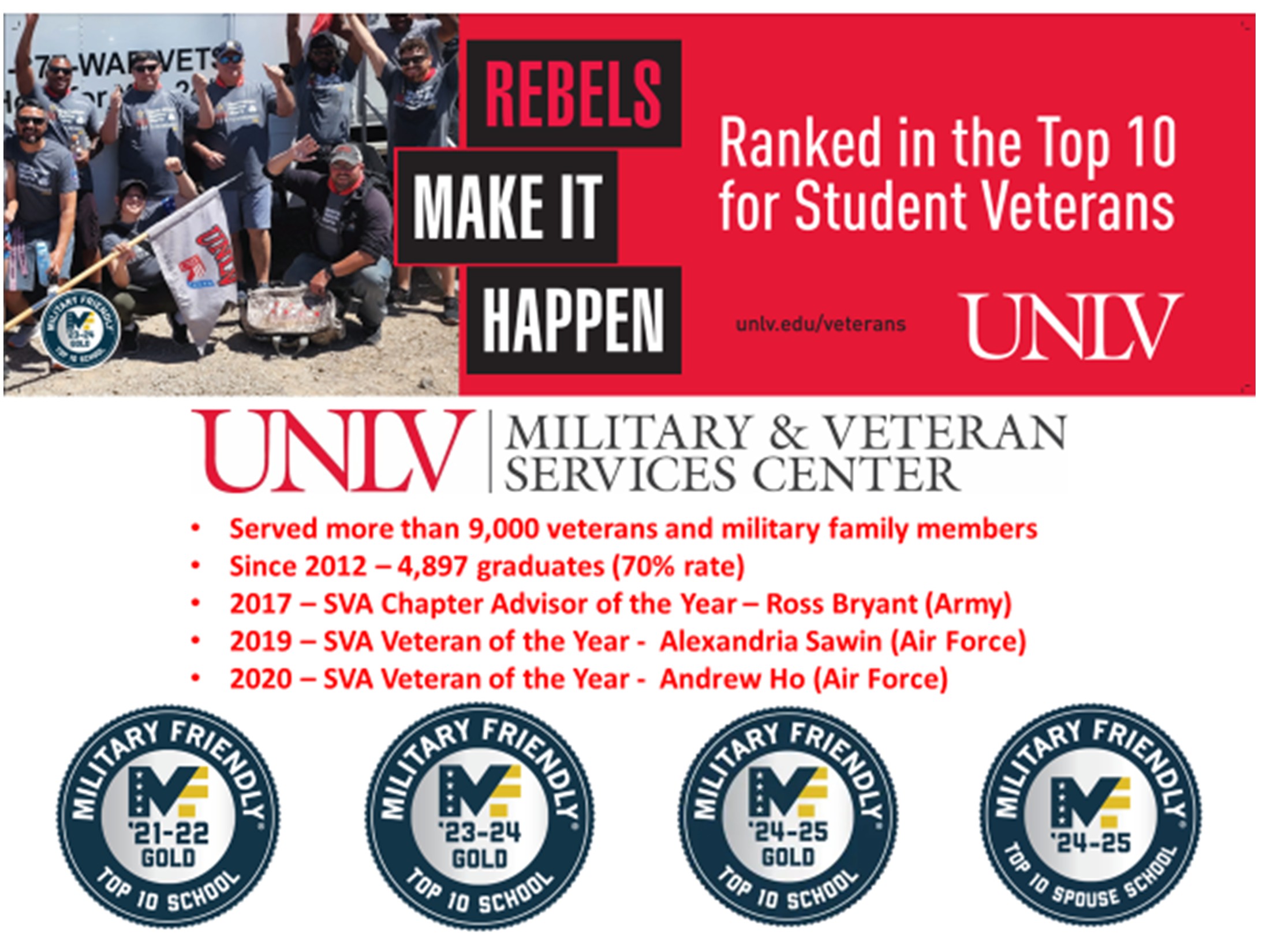
Ross Bryant is the Executive Director of University of Nevada–Las Vegas’s Military & Veteran Services Center (MVSC), which assists active duty service members, veterans, National Guard members, reservists and military family members by certifying their GI Bill benefits as well as developing campus or community resources and programs aiding them in their challenging transition to civilian and university life. The MVSC is a 501c3 as part of the UNLV Foundation. His efforts as director of the UNLV MVSC have brought over 9,000 veterans to UNLV with a 71% graduation rate. Since 2012, more than 4,568 veterans have graduated from UNLV.
He comes to the MVSC after a 24-year career as an enlisted soldier, NCO and Army officer, ending his military career as the officer in charge of the UNLV Army ROTC. As a former enlisted soldier who used his own GI Bill® benefits to earn his commission and a bachelor’s degree in German language from Old Dominion University, Ross was uniquely qualified to coach and mentor students to excel in ROTC. Taking advantage of his GI Bill benefits a second time, he later earned a master’s degree in National Security Studies from California State University–San Bernardino.
Through Ross’s ROTC role, plus his post-military positions as the deputy director of the UNLV Institute for Security Studies and now the Executive Director of the MVSC, he has gained extensive experience in developing new programs and creating partnerships within UNLV and the greater Las Vegas community that benefit UNLV’s student veterans, active duty military, Reservists, National Guard members and military family members. He is especially proud of his efforts to collaborate with UNLV’s Government Liaison and Governor Sandoval to convince the Nevada Legislature to pass AB76, granting an out-of-state tuition waiver to all veterans within 5 years of discharge, and AB24, granting a lifetime in-state residency to any Fry Scholarship recipient (GI Bill® benefits to any military family member whose parent was killed in the war).
Ross’s interests include staying in contact with 46 former UNLV cadets who are now Army officers in the Nevada Army National Guard or serving overseas in the Global War on Terrorism. He also enjoys supporting veteran programs that work with community partners in assisting with the transition to civilian life of the next generation of veterans and their family members, and helping them achieve their academic and life goals.
On January 6, 2017, Ross Bryant was named the Student Veterans of America (SVA) national “Chapter Advisor of the Year” at the 2017 SVA National Conference in Anaheim, California. A year earlier, Senator Dean Heller submitted a “tribute” to the Congressional Record acknowledging Ross’s service to Nevada’s veterans. His efforts as the director of MVSC have resulted in UNLV’s being ranked #36 in the nation as “Best for Vets” by Military Times, listed as a top school by the Military Advanced Education & Transition journal for the last 5 years, and recognized as a Top 10 “Military Friendly” school by Victory Media (2022-2025). SVA has recognized two Rebel Vet SVA Chapter Presidents as ‘Veteran of the Year” (2018, 2020).
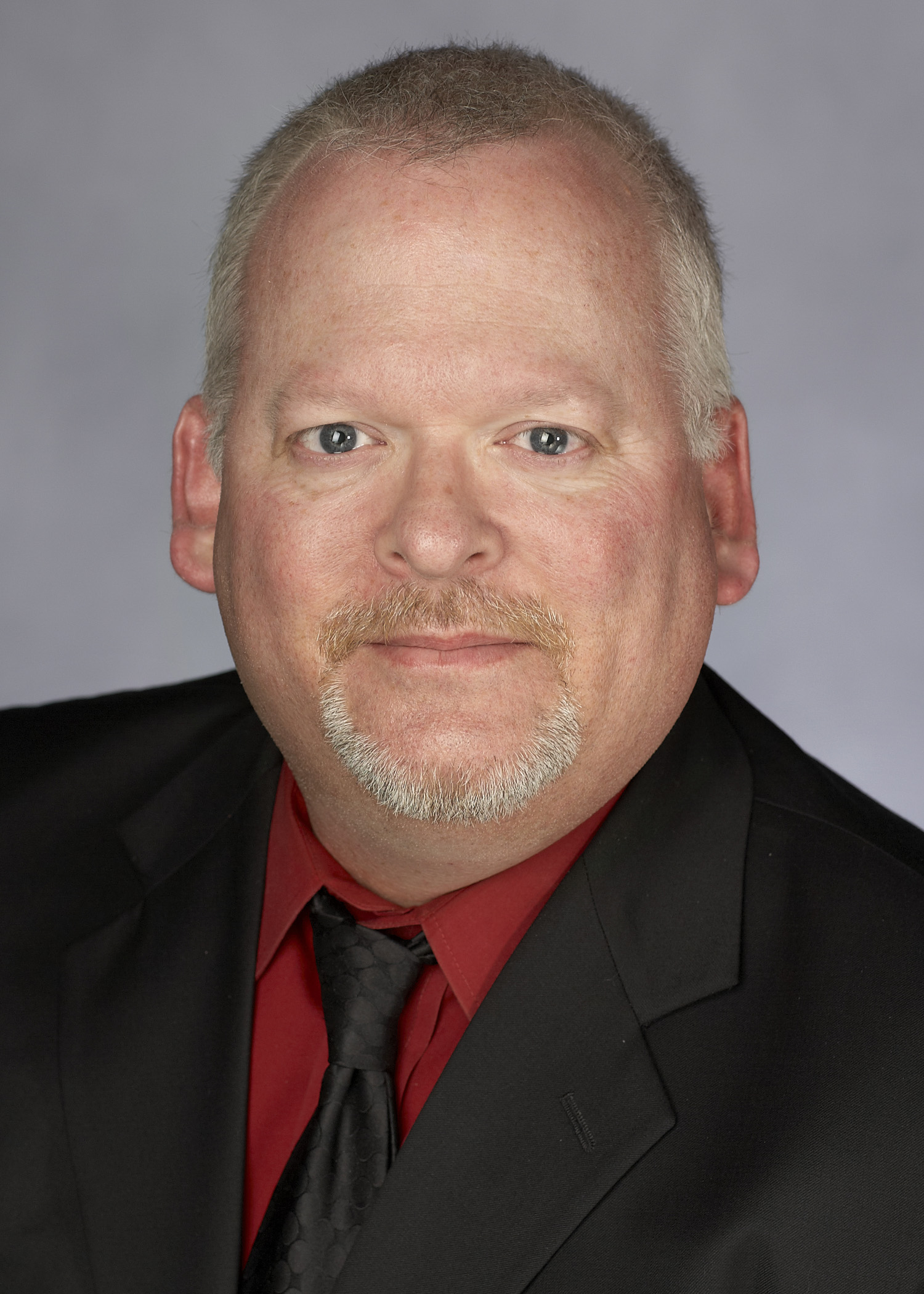
Vito Rocco
Chief Information Security Officer – University of Nevada, Las Vegas
Vito Rocco is a seasoned cybersecurity leader with nearly three decades of experience protecting critical systems across the military, private sector, and higher education. He currently serves as chief information security officer (CISO), where he leads the UNLV’s cybersecurity strategy, risk management program, and incident response capabilities in support of the university’s academic, research, and administrative missions.
As CISO, Vito oversees a growing team of information security professionals dedicated to building a resilient, risk-aware campus environment. His team manages key areas, including vulnerability management, IT risk assessments, security awareness training, governance and policy development, and digital forensics. Under his leadership, the team plays a central role in coordinating incident response across a highly decentralized IT environment, supporting compliance with federal regulations such as the Gramm-Leach-Bliley Act (GLBA), and guiding the secure use of technology in support of UNLV’s digital transformation goals.
Since joining UNLV, Vito has led the development and implementation of several institution-wide programs, including a cybersecurity awareness initiative, a formal IT risk management process, and a comprehensive vulnerability management program. He is widely respected for his ability to translate complex technical threats into meaningful risk discussions with university leadership and for fostering collaboration across departments.
Vito began his cybersecurity career in the U.S. Army, where he held multiple leadership roles, including red team leader and information security & automation manager. He managed multimillion-dollar cybersecurity and IT projects, developed secure communications infrastructures, and supported digital intelligence efforts in coordination with special operations units. His service earned him the Meritorious Service Medal and other honors.
He holds a master’s in information technology and a bachelor’s degree in computer information systems from Grantham University. His certifications include CISSP, CCFP, CEH, GPEN, GCFE, EnCE, and more. Vito is an active member of the cybersecurity community through organizations such as ISSA, InfraGard, and SANS, and is committed to mentoring the next generation of cybersecurity professionals
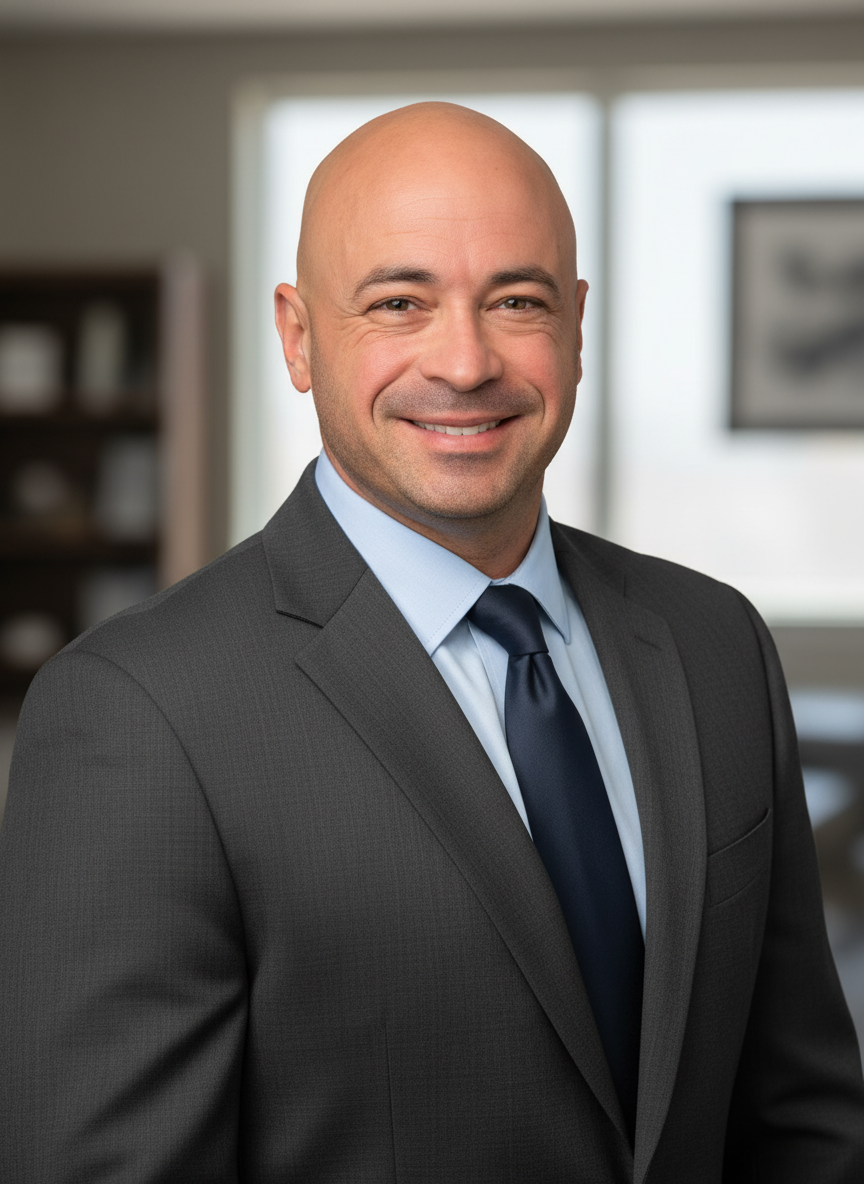
Karmen Grondin
Karmen earned a Bachelor of Science in Business Administration from the University of Nebraska–Lincoln, where she was a member of the Professional Business Fraternity, Delta Sigma Pi.
She has been actively involved with the Michigan Association of Student Financial Services Administrators (MASFSA) for more than 15 years, serving as President, holding several executive board positions, and contributing to numerous committees.
Karmen has dedicated more than 34 years to Central Michigan University. She began her career in the Admissions Office and Financial Aid Office before joining Student Account Services and University Billing in 1997.
In 2010, she was appointed Collections Manager for the department’s newly established Collections unit. Under her leadership, Central Michigan University has significantly reduced both the number and dollar amount of accounts referred for collection, as well as overall institutional write-offs. She oversees internal and external collections, bankruptcy accounts, and fraud prevention and resolution efforts.
In 2024, Karmen assumed the additional role of Operations Manager. In this capacity, she oversees third-party billing, centralized billing operations, and the university’s student refund processes.
Outside of her professional accomplishments, Karmen considers her greatest joy to be spending time with her eight grandchildren.
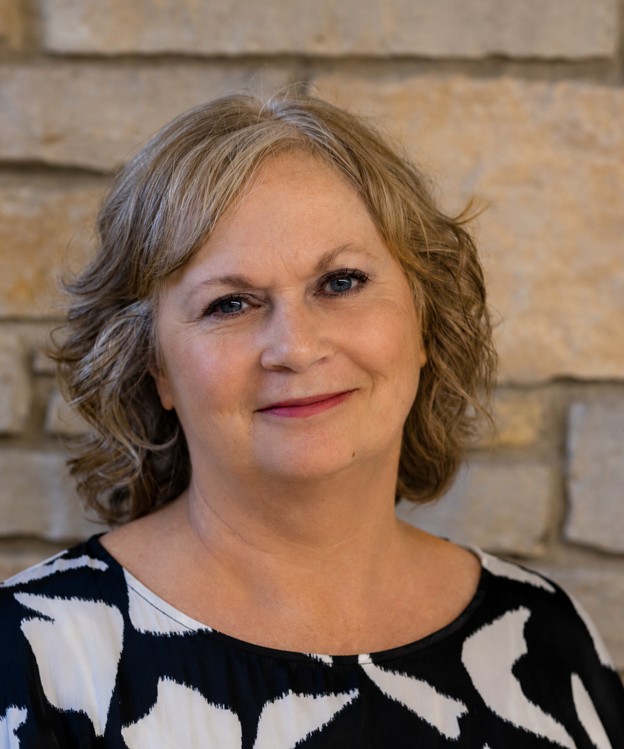
Karlee Herzog, MSA
Assistant Manager, OneCentral, Central Michigan University
Karlee serves as the Assistant Manager of OneCentral at Central Michigan University, where she has spent the past 11 years supporting students and families through a variety of roles within the university’s student billing and OneCentral offices. She earned both her Bachelor of Science in Family Studies and her Master of Science in Administration with a concentration in Leadership from Central Michigan University.
Prior to her career in higher education, Karlee worked alongside hospice patients and their families, an experience that shaped her commitment to compassionate service, effective communication, and relationship-building.
As a conference presenter, Karlee brings practical experience and leadership insight on building and sustaining a successful one-stop student service model. She believes exceptional service begins with a healthy, engaged team that feels supported, valued, and empowered to grow. Her approach emphasizes collaboration, intentional communication, and leadership that not only supports the work happening today but also invests in the future development of every team member.
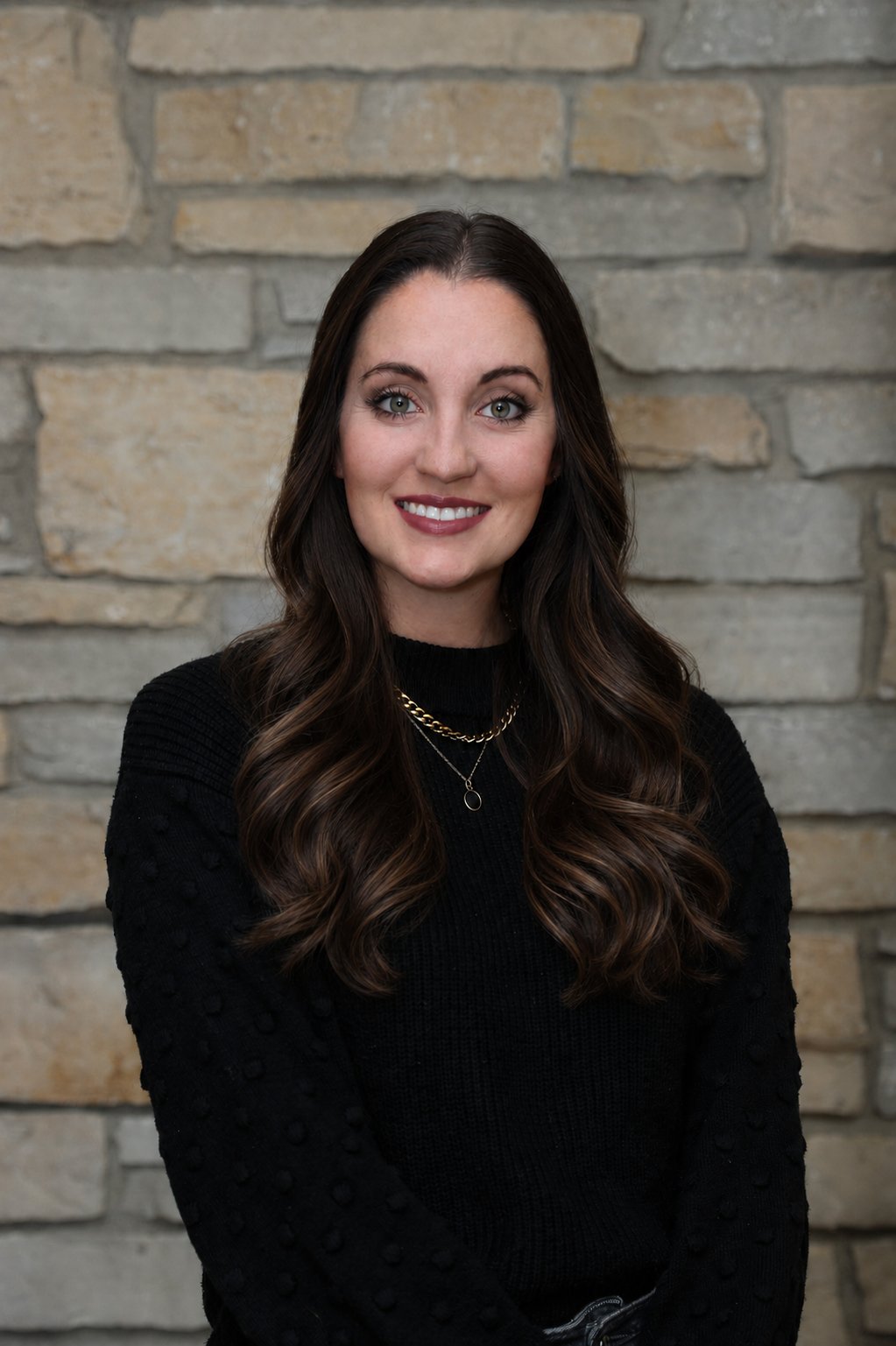
Patrick Brettschneider
Collections Supervisor for Student Loan Collections
University of Michigan
Patrick is the Collections Supervisor for Student Loan Collections at the University of Michigan, a role he has held for ten + (10) years. Prior to joining the Student Loan Collections Department, Patrick was working with the current students as a supervisor in Student Financial Services. He has been with the University for 24+ years. In addition to his work at the University, Patrick is a member of the Michigan Association of Student Financial Services Association (MASFSA) a regional organization promoting excellence in financial services in higher education.
Patrick is a 1994 graduate of the University of Michigan – Dearborn and holds a Bachelor’s degree in Accounting.
When Patrick is not assisting Michigan students, you will likely find him peddling on one of his many bicycles around the state easily putting on hundreds of miles in the process.